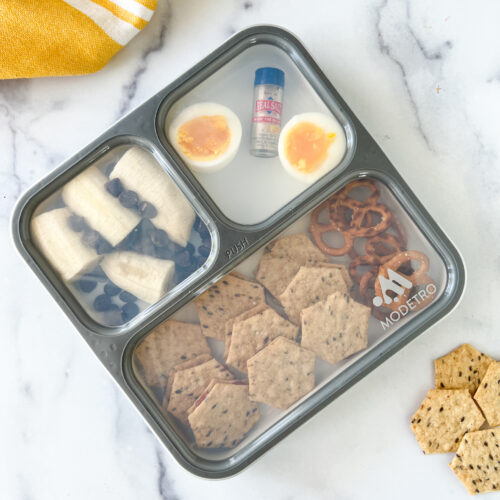
Keeping School Snacking Non-GMO
As families settle into school routines, packing a lunchbox can be a daily challenge with kids wanting foods that are fun to eat and parents wanting to keep snacks nutritious. Choosing non-GMO snacks is one way to make more informed food choices that can satisfy both kids and parents with options that include nutritious ingredients and are still fun to eat throughout the school day. By learning which ingredients to look for, choosing thoughtfully made packaged snacks, and pairing them with fresh fruits and vegetables, parents can create school lunch snacks that offer variety, fun, and flavor that keeps stomachs full and lunchboxes empty.
At Crunchmaster, we believe that better snacking should always be delicious, convenient, and enjoyable. Crunchmaster’s certified gluten-free crackers and crisps bring together better-for-you ingredients, like whole grains, seeds, and brown rice, to create satisfying, flavorful options that fit easily into busy family routines. As you explore non-GMO lunchbox ideas this school year, discover how Crunchmaster crackers can make packing them easier with wholesome ingredients for the whole family.
Understanding Non-GMO Snacking for School Lunches
Non-GMO means a food’s ingredients were not produced using genetic engineering. [1] The term describes how ingredients are grown or made, rather than their sugar content, calories, pesticide use, or overall nutrition. [1] [2] It can be a helpful guide when choosing school lunch snacks, but it is only one part of making informed food choices.
Understanding non-GMO labels can help parents feel more confident about the foods they put in their children’s lunchboxes. Choosing non-GMO snacks for kids does not mean replacing every pantry staple or worrying about every ingredient on every package. Instead, start by learning which ingredients may come from genetically modified crops and use that knowledge to make thoughtful choices over time.
When scanning ingredient labels, keep an eye out for certain ingredients that may or may not be GMO. When you see these ingredients, make sure to look for a non-GMO verification on the packaging if you want to be certain the ingredients are without genetic modification: [3] [4]
- Corn: Corn syrup, cornstarch, cornmeal, and other corn-derived ingredients.
- Soy: Soybean oil, soy lecithin, and soy-based ingredients.
- Canola: Canola oil and ingredients made from canola.
- Sugar beets: Sugar that may be sourced from genetically modified sugar beets.
- Cotton: Cottonseed oil, which can appear in some packaged foods.
Choosing Low-Risk Non-GMO Snack Ingredients
One of the easiest ways to make non-GMO school snacking less complicated is to start with ingredients that are not currently identified as high-risk crops by the Non-GMO Project. These are often called low-risk ingredients, and they offer a simple starting point for building a variety of school-friendly snacks. [4] For example, chickpeas and certain cracker varieties may offer non-GMO snack alternatives, while sweet potatoes offer a versatile alternative to conventional potatoes.
Making a few simple non-GMO snack swaps can help families add more variety without completely changing their shopping habits. For example, popcorn can be an alternative to snacks made with conventional corn, while roasted chickpeas or hummus offer convenient ways to enjoy chickpeas. Here are a few more easy ideas to try when planning whole-grain snacks for school.
| Higher-Risk Conventional Ingredient | Alternative Snack Idea |
| Conventional corn-based chips | Plain popcorn |
| Conventional potato chips | Sweet potato fries or sweet potato chips |
| Soy-based snack bars | Chickpea-based snacks |
| Crackers made with conventional canola oil | Whole-grain and seed-based crackers such as Crunchmaster Multi-Grain and Multi-Seed varieties |
Many, but not all, Crunchmaster products are Non-GMO Project Verified, along with being certified gluten-free and Kosher dairy. [5] Crunchmaster’s individual products’ pages are helpful places to explore the ingredients used across the product range, and certifications of each product. The selection of better-for-you ingredients such as seeds, whole grains, brown rice, and olive and avocado oils offer plenty of ways to add satisfying crunch and flavor to lunchboxes while keeping an eye on ingredient choices.
Selecting Verified Non-GMO Packaged Snacks
The Non-GMO Project Verified seal, often called the Butterfly mark, identifies products that meet the Non-GMO Project’s third-party verification standards and gives shoppers a convenient way to identify packaged foods that have been reviewed for genetically modified ingredient risk. [6] The program reviews ingredient risk and uses measures such as testing, traceability, and supply-chain controls to help confirm compliance. When grocery shopping, you can check the front or side of the package for the Non-GMO Project Verified Butterfly or a clear non-GMO claim for the snacks you are considering.
Along with non-GMO status, convenience can also matter when choosing school-friendly snacks. The best packaged options are easy to portion, simple to pack, and made with ingredients that parents recognize, while still offering flavors children will look forward to eating. Crunchmaster offers several options that bring these qualities together, including the Non-GMO Project Verified Multi-Seed Original Crackers, Multi-Seed Ultimate Everything Crackers, and Multi-Pack Crisps, which are:
- Non-GMO Project Verified: Each of these three varieties carries the Non-GMO Project Verified designation.
- Certified gluten-free: All three are certified gluten-free.
- Whole-grain ingredients: Each variety provides whole grains along with a flavorful blend of seeds.
- Flavor and variety: From the classic taste of Multi-Seed Original Crackers to the bold seasoning of Multi-Seed Ultimate Everything Crackers and the grab-and-go convenience of Multi-Pack Crisps, there are options to suit different preferences.
Creating a Simple Non-GMO Snack Rotation for Busy Mornings
A little preparation can go a long way when it comes to packing school lunches. Instead of searching for something new every morning, create a simple non-GMO snack rotation with a few dependable packaged options and fresh foods your children already enjoy. This approach makes it easier to plan ahead, reduce decision fatigue, and build healthy snacking habits without expecting every item in the pantry to change overnight.
A five-day rotation is a great place to start, especially when you include a mix of flavors, textures, and fresh pairings. Here is an easy example of how to work Crunchmaster crackers and other low-risk snack ingredients into your weekly routine.
| Day | Packaged Snack | Fresh Pairing |
| Monday | Crunchmaster Multi-Seed Original Crackers | Baby carrots and hummus |
| Tuesday | Pre-portioned popcorn | Apple slices |
| Wednesday | Crunchmaster Ultimate Everything Crackers | Cucumber rounds |
| Thursday | Roasted chickpeas | Banana |
| Friday | Multi-Pack Crisps | Grapes and a cheese stick |
The secret to keeping this routine manageable is to do a little work before the school week begins. Try pre-portioning snacks into reusable containers on Sunday evening, keeping a dedicated pantry bin for lunchbox staples, and letting children choose between two or three approved options each day.
Combining Non-GMO Snacks with Fresh Fruits and Vegetables
One of the simplest ways to build an appealing lunchbox is to follow a packaged-plus-fresh approach. Start with a non-GMO verified packaged snack, then add a fresh fruit or vegetable to bring different colors, flavors, and textures to the meal. You can also include a cheese stick, yogurt, or another protein-containing side to round things out, keeping refrigeration needs and school guidelines in mind.
Crunchmaster crackers make a versatile starting point for all kinds of non-GMO snack pairings. Their savory flavors and crunchy textures work well with dips, fresh produce, and other lunchbox favorites, making it easy to create combinations children can enjoy throughout the school week. Here are five simple ideas to get started:
- Multi-Grain crackers with bell peppers and guacamole: The crisp texture of Crunchmaster Multi-Grain crackers pairs nicely with creamy guacamole and colorful sliced bell peppers.
- Multi-Seed Original Crackers with strawberries and cheese: Serve Crunchmaster Multi-Seed Original Crackers with fresh strawberries and a cheese stick for a sweet-and-savory combination.
- Ultimate Everything Crackers with cherry tomatoes and hummus: The bold seasoning of Crunchmaster Ultimate Everything Crackers complements creamy hummus and juicy cherry tomatoes.
- Crisps with celery and sunflower seed butter: Pair a bag of Multi-Pack Crisps with crunchy celery sticks and sunflower seed butter for a flavorful snack.
Practical Tips for Packing Non-GMO Snacks That Meet School Guidelines
Before choosing which snacks to pack, take a moment to review your child’s school food policies. Some schools have nut-free or tree-nut-free rules, while others have restrictions on certain allergens or require specific packaging for classroom snacks. Checking these guidelines first can help you choose school-safe non-GMO snacks that children can bring to school.
A few simple packing habits can make the morning routine easier while helping snacks stay fresh and school-ready. Keep these practical considerations in mind when planning your lunchboxes:
- Check allergen policies: Confirm whether your school has restrictions on nuts, tree nuts, dairy, sesame, or other ingredients, and always read the package allergen statement.
- Choose easy-to-portion options: Individually wrapped or pre-portioned snacks such as Crunchmaster’s Multi-Pack Crisps can simplify lunch packing and classroom distribution.
- Think about storage: Shelf-stable snacks are convenient when refrigeration is not available.
- Label containers: Clearly mark reusable containers if your school requires names or ingredient information.
- Pack an ice pack: Include one when packing perishable foods such as cheese, yogurt, and hummus.
Crunchmaster offers convenient options that can fit into many school snack routines. All of its crackers and crisps are certified gluten-free, and the brand offers a selection of individually portioned products, including Crunchmaster Multi-Pack Crisps, which can help make grab-and-go packing easier. Always check an individual product’s ingredients, verification status, and allergen information to ensure it meets your child’s needs and their school’s guidelines.
Conclusion: Making School Snacking Easier, One Crunch at a Time
Creating a non-GMO school lunch routine does not have to involve a complete pantry makeover or hours of research. By learning which ingredients to look for, choosing thoughtfully verified packaged snacks, and adding fresh fruits and vegetables, you can make lunchbox planning easier and more enjoyable. A simple weekly rotation, a little weekend preparation, and an understanding of school food guidelines can help make those busy mornings feel much more manageable.
Crunchmaster makes it easy to bring delicious crunch and convenient options into your family’s everyday snacking routine. With flavorful varieties like Multi-Seed Original Crackers, Ultimate Everything Crackers, and Multi-Pack Crisps, there are plenty of ways to add variety to school lunches and after-school snacks. Explore the Crunchmaster product collection to find a few new family favorites, and make this school year a little crunchier, one lunchbox at a time!
Frequently Asked Questions
Look for the Non-GMO Project Verified Butterfly seal on the package and check the ingredient list for ingredients that may come from high-risk crops, such as corn syrup, soybean oil, canola oil, and sugar from sugar beets. [3] [4] You can also look for certified USDA Organic products, since organic standards prohibit genetically engineered ingredients. [7]
Common ingredients to watch for include corn-derived ingredients, such as corn syrup and cornstarch, soy ingredients, such as soybean oil and soy lecithin, and canola oil. To learn more about foods on the high-risk list, visit Non-GMO Project’s Risk Status page.
Not necessarily, because non-GMO describes how ingredients are produced rather than the overall nutritional value of a food. A non-GMO snack can still contain added sugar or sodium, so compare nutrition labels and look for options with whole grains and recognizable ingredients.
Fresh fruits, cut vegetables with hummus, plain popcorn, roasted chickpeas, and cheese sticks are convenient options to consider. You can also include non-GMO crackers for kids, such as Crunchmaster Multi-Seed Original Crackers and Crunchmaster Multi-Pack Crisps, which are both Non-GMO Project Verified and certified gluten-free.
Certified USDA Organic foods cannot contain genetically engineered ingredients because genetic engineering is prohibited under USDA organic standards. [7] However, a product labeled non-GMO is not automatically organic, as organic certification includes additional requirements for how food is produced and processed.
Start by choosing two or three packaged snacks that meet your family’s non-GMO preferences, then rotate them with fresh produce and other simple foods. Options like Crunchmaster Multi-Pack Crisps, Multi-Seed Rosemary & Olive Oil Crackers, roasted chickpeas, bananas, and carrots can provide plenty of variety throughout the week. Pre-portion snacks over the weekend and let children choose between a couple of approved options to make mornings easier.
Start by checking your school’s allergy policies, including any restrictions on nuts, dairy, or sesame. Then consider whether snacks are easy to portion, shelf-stable, and likely to be eaten by your child. If you include perishable foods such as cheese, yogurt, or hummus, use an insulated lunch bag and an ice pack to keep them at a safe temperature.
References
[1] Non-GMO Project. GMO FAQ. https://www.nongmoproject.org/gmo-faq/
[2] U.S. Food and Drug Administration. Science and History of GMOs and Other Food Modification Processes. https://www.fda.gov/food/agricultural-biotechnology/science-and-history-gmos-and-other-food-modification-processes
[3] Non-GMO Project. What is GMO? https://www.nongmoproject.org/gmo-facts/what-is-gmo/
[4] Non-GMO Project. Understanding Risk Status. https://www.nongmoproject.org/risk-status/
[5] Crunchmaster. High Quality Crunch. https://crunchmaster.com/our-story/crunch-quality/
[6] Non-GMO Project. What is Non-GMO Project Verified? https://www.nongmoproject.org/butterfly-label/
[7] U.S. Department of Agriculture, Agricultural Marketing Service. Can GMOs Be Used in Organic Products? https://www.ams.usda.gov/publications/content/can-gmos-be-used-organic-products