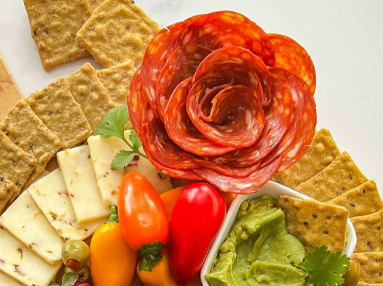
Top Certified Gluten-Free Snacks Your Family Will Love
Finding snacks that everyone in the family loves can be tricky, especially when someone has celiac disease, gluten sensitivity, or other dietary needs. Between school lunches, after-school snacks, and family trips, it helps to have plenty of tasty options that make snack time easier and more enjoyable. The good news is that there are lots of certified gluten-free snacks and naturally gluten-free foods to choose from, including fresh fruit, crunchy vegetables, popcorn, nuts, and delicious crunchy options like Crunchmaster crackers and crisps.
“Certified gluten-free” means an independent organization has checked a product against a specific gluten standard, which may be stricter than the U.S. Food and Drug Administration’s (FDA) requirement that foods labeled gluten-free contain less than 20 parts per million (ppm) of gluten. [1] [2] Certification can provide an extra layer of confidence, but families should still check current packaging, ingredient lists, and allergen information when shopping for celiac-safe snacks. [2]
That is where certified gluten-free Crunchmaster crackers and crisps come in, made without gluten and on gluten-free production lines. For more than 20 years, Crunchmaster has been crafting certified gluten-free crackers designed to bring satisfying crunch and delicious flavor to everyday snacking. [3] From lunchboxes and after-school snack plates to party spreads and road-trip treats, Crunchmaster’s crackers and crisps offer versatile options that pair beautifully with fresh foods, dips, cheeses, and sweet toppings the whole family can enjoy together.
Crunchmaster Certified Gluten-Free Crackers
When you need a crunchy snack that works for everything from quick bites to party platters, Crunchmaster crackers are a versatile place to start. The brand has more than 20 years of experience making crackers, and all Crunchmaster crackers are certified gluten-free, with production on dedicated, certified gluten-free lines. Its crackers are also made using a traditional Japanese-inspired Usuyaki baking method that helps create their signature light, crisp texture. [3] [4]
Crunchmaster offers a variety of flavors and styles, including Multi-Seed Crackers, Multi-Grain Crackers, and Chickpea Crisps. Most Crunchmaster products are Non-GMO Project Verified, but not all, so check the package for the verification mark on the specific variety you choose.
Crunchmaster crackers and crisps are ready to pair with all kinds of family favorites, such as nut butter and banana slices for an after-school snack, hummus and veggie sticks for a colorful snack plate, or arranged with cheese and fruit on a party board. As the brand is dedicated to making crunchy snacking easier for those who are gluten-free, Crunchmaster even offers a dedicated section on gluten-free recipes and pairing ideas in the Crunchmaster Recipe pages.
Popcorn as a Naturally Gluten-Free Snack
Popcorn is naturally gluten-free as it comes from corn, which is a grain that does not contain gluten. [5] Air-popped popcorn can also contribute whole grains and dietary fiber to your day, making it a fun alternative to mix into your family’s regular snack rotation.
The key is to pay attention to flavorings and preparation, as seasoned varieties may contain ingredients that are not gluten-free or are made on shared equipment with a risk of gluten cross-contact. If you are shopping for gluten-free popcorn for someone with celiac disease, read the label and choose a product that meets their needs. [6] [7]
At home, it is easy to turn a bowl of popcorn into something special with ingredients you already have in the pantry. Try cinnamon with a little honey for a sweet-and-spicy twist, or olive oil and sea salt for a simple savory version. Serve it alongside Crunchmaster Multi-Grain Sea Salt crackers and fresh fruit for a snack spread with plenty of crunch and variety.
Rice Cakes and Gluten-Free Crackers for Versatile Snacking
Rice cakes and gluten-free crackers like Crunchmaster’s are handy staples because they can be topped with sweet or savory ingredients in just a few minutes. Naturally gluten-free rice cakes can be paired with nut butter or avocado, while packaged crackers offer different flavors and textures for lunchboxes, quick snacks, and entertaining. When choosing packaged options, look for clear gluten-free labeling and check the ingredients for any additional allergens your family needs to avoid.
For a savory snack, try rice cakes or Crunchmaster Multi-Seed Original crackers with avocado and everything-bagel seasoning, cream cheese and cucumber, or hummus and roasted red pepper. If your family prefers something sweet, try almond butter with sliced strawberries or sunflower seed butter with a light drizzle of honey. These simple combinations are easy to customize, and kids can help choose their own toppings.
Chickpea and Bean Puffs as Protein-Rich Crunchy Snacks
Chickpea and bean puffs bring a different kind of crunch to the snack bowl, with a shape and texture that can feel similar to familiar chips. They are often made with legume flours, which adds variety to a snack rotation that might otherwise rely on potato or corn snacks. Whole-food choices such as roasted chickpeas and edamame can also provide protein and fiber, although the nutrition of packaged puffs varies by product.
As with other packaged snacks, check the label before choosing bean-based puffs for someone who needs to avoid gluten. Look for a gluten-free claim or recognized certification when appropriate, and review any shared-equipment statements and allergen information, especially if your household also avoids soy, dairy, or other ingredients. A snack made from chickpeas is not automatically protected from gluten cross-contact during manufacturing.
Crunchmaster’s Chickpea Crisps offer another way to enjoy chickpea-based crunch, with a cracker-style shape that works well with dips, cheese, and spreads. For a fun snack board, combine chickpea puffs with sliced cucumbers, cherry tomatoes, fruit, and certified gluten-free Crunchmaster crisps and crackers.
Cassava and Plantain Chips for Grain-Free Crunch
Cassava chips and plantain chips are popular options for families looking to explore grain-free snacks. Grain-free snacks exclude grains such as rice, corn, and oats, and they are often made from ingredients such as root vegetables such as Cassava or plantains, which are related to bananas. A grain-free product may be gluten-free, but the label and manufacturing details still need to be checked because cross-contact can occur during processing.
These chips are a fun match for hearty dips, including salsa, guacamole, and bean dip, making them useful for parties, picnics, and game-day spreads. If you are serving someone with celiac disease, look for a gluten-free claim or certification and review any relevant facility statements rather than relying on the main ingredient alone. When serving grain-free options on a party platter, you can round out your spread with Crunchmaster Multi-Seed crackers for another crunchy option with a different flavor and texture.
Nuts and Seed Mixes for Healthy Fats and Protein
Nuts and seeds are naturally gluten-free foods that can make snack time simple and satisfying. Almonds, cashews, peanuts, pumpkin seeds, and sunflower seeds are easy to portion into small containers, and nut butters can be paired with fruit or crackers for a quick bite. Nuts and seeds are also common ingredients in gluten-free flours, bars, and spreads, so they offer plenty of ways to add variety to a snack routine.
The main thing to watch is cross-contact, especially with flavored nut blends, trail mixes, and products sold from bulk bins. Choose packaged nuts or seed mixes with clear ingredient information, and look for gluten-free labeling when needed for your household. Remember that nuts are a major food allergen, so check for relevant warnings and avoid serving them to anyone who has a nut allergy.
For those with a peanut allergy, products that are made in a peanut-free facility, such as Crunchmaster crackers and crisps, can be a very helpful place to start. If your child attends a school with a nut-free policy, sunflower seed butter or other school-approved alternatives may be a better fit. Always check the school’s rules and the package label before packing snacks for a shared classroom.
Cheese Crisps as a High-Protein Snack Option
Cheese crisps are a crunchy choice for families who enjoy savory snacks and want an alternative to traditional chips. Some varieties are made by baking cheese until it becomes crisp, while others include extra ingredients for flavor or texture. Since recipes differ, check the ingredient list rather than assuming every cheese crisp contains only cheese.
For a colorful snack plate, serve cheese crisps with fresh vegetables, grapes, and Crunchmaster Multi-Grain crackers. The combination brings together different textures and flavors, from crisp cheese to fresh produce and a satisfying cracker crunch. It also gives everyone a chance to build a snack plate around the foods they enjoy.
Fruit Leathers and Dried Fruit for Sweet Cravings
When you or your family want something sweet, fruit leathers and dried fruit are convenient options to keep in the pantry or tuck into a lunchbox. Products made entirely from fruit can be naturally gluten-free, and choices such as dried mango, apple chips, raisins, and fruit leathers offer different flavors and textures. As with other foods, pre-packaged fruit snacks can contain added ingredients, so check the label to ensure all of the ingredients and preparation methods are also gluten-free.
Look for fruit leathers with straightforward ingredient lists and check for ingredients such as wheat starch or barley malt that may introduce gluten. Dried fruit blends can also contain coatings, flavorings, or other additions that are not obvious from the front of the package. If a snack is intended for someone with celiac disease, use the ingredient list and gluten-free labeling to help guide your choice.
Fruit is especially easy to pair with other snacks for a more interesting spread. Pack a fruit leather alongside Crunchmaster Multi-Seed Original crackers and cheese cubes, or arrange dried mango and apple chips on a family snack board. You can also combine dried fruit with nuts or seeds to make a homemade trail mix, provided the ingredients are safe for everyone sharing it.
Gluten-Free Granola and Cereal for Snack and Topping
Gluten-free granola and cereal can be a delicious snack beyond your breakfast bowl. They can be eaten by the handful, sprinkled over yogurt, or added to fruit and smoothie bowls for extra crunch. For a simple after-school snack, try a yogurt cup topped with granola that is specifically labeled gluten-free, along with a few fresh berries.
The most important detail is the type of grain and how it was handled during production. Oats are naturally free of gluten, but they can come into contact with wheat, barley, or rye during growing, harvesting, transport, or processing, so choose oats and oat products labeled gluten-free. Some people with celiac disease may also react to avenin, a protein found in oats, so individual needs matter. [8]
For easy snacking, portion certified gluten-free granola into small containers for the car, sprinkle it over yogurt parfaits, or add it to a bowl of sliced fruit. You can serve these sweet options alongside Crunchmaster Multi-Grain crackers and cheese for a spread that offers both savory and sweet bites. When buying granola or cereal, read the full ingredient list and check for other allergens, including nuts and dairy, that may affect your family.
Homemade Energy Bites and No-Bake Bars for Portable Snacks
Homemade energy bites are a handy make-ahead snack because you can choose ingredients that suit your family’s tastes and dietary needs. A simple mixture of certified gluten-free oats, nut or seed butter, and honey or maple syrup can be customized with chia seeds, shredded coconut, dried fruit, or mini chocolate chips. Preparing snacks at home also gives you more control over ingredients and helps you plan around food allergies, as long as you prevent cross-contact in your kitchen. [7]
For a basic batch, follow these simple steps:
- Combine 1 cup of certified gluten-free rolled oats, ½ cup of nut or seed butter, and ⅓ cup of honey or maple syrup in a bowl.
- Stir in optional add-ins, such as chia seeds, mini chocolate chips, shredded coconut, or chopped dried fruit.
- Chill the mixture for 20 to 30 minutes, so it becomes easier to handle.
- Roll into bite-sized balls and store in an airtight container in the refrigerator for up to one week.
This and other combinations of carbohydrates, fats, and fiber from ingredients such as oats, nut butter, and seeds can help a snack feel more satisfying. You can also serve homemade energy bites with fresh fruit and Crunchmaster crackers for a snack spread with plenty of choices. For more ways to turn everyday ingredients into crowd-pleasing bites, explore Crunchmaster’s recipe collection.
Tips for Safely Choosing and Serving Gluten-Free Snacks
Reading food labels every time you shop is one of the most useful habits for families managing celiac disease or gluten sensitivity. In the United States, the FDA requires major food allergens, including wheat, to be identified on packaged foods covered by its allergen-labeling rules, often in a bold “Contains” statement near the ingredient list. [1] [2] [9] [10] However, barley and rye are not among the major allergens that must be listed in this statement. [2] That is why it is important to check both the allergen statement and the full ingredient list, even when a product looks familiar.
Cross-contact occurs when gluten-free food comes into contact with gluten-containing food during manufacturing, preparation, or serving, potentially making it unsafe for someone with celiac disease. [6] [7] At home, use clean utensils, cutting boards, and serving platters, and avoid dipping the same knife into gluten-free and regular spreads. [7] The following checklist can help make label reading easier, but remember that a product’s suitability depends on its ingredients, manufacturing practices, and the needs of the person eating it.
| What to look for | Why it matters |
| Certified gluten-free seal | Shows that a product meets the requirements of a particular certification program, such as Certified Gluten-Free Crunchmaster crackers and crisps. |
| Full ingredient list | Helps identify wheat, barley, rye, malt, and other ingredients that may contain gluten. |
| Contains allergen statement | Identifies major allergens such as wheat, milk, soy, peanuts, and sesame when required. |
| Dedicated gluten-free facility or line | May help reduce the risk of gluten cross-contact during manufacturing. |
| Shared-equipment or “may contain” warning | Can signal a potential cross-contact concern that needs further review. |
Crunchmaster products are certified gluten-free and made on dedicated gluten-free production lines. [3] Crunchmaster crackers and crisps are also made in peanut-free facilities, although those facilities do handle some tree nuts, such as almonds and pecans. For parties and family gatherings, consider setting up an interactive snack station where kids can build their own plates. Arrange Crunchmaster certified gluten-free crackers with fresh vegetables, cheese cubes, fruit, and suitable dips, keeping ingredients clearly labeled and serving utensils separate. Recheck the package each time you purchase a product, and visit Crunchmaster’s recipe collection for more ideas to make entertaining fun, flavorful, and full of crunch.
Conclusion: Make Every Snack a Crunchy, Gluten-Free Favorite
Finding certified gluten-free snacks your family loves does not have to mean giving up variety or fun. By mixing naturally gluten-free foods like fruit, vegetables, popcorn, nuts, and cheese with carefully selected packaged snacks, you can create delicious options for lunchboxes, after-school breaks, road trips, and special gatherings. The most important habits are to read labels, check current certification and allergen information, and prevent cross-contact whenever you prepare or serve food for someone who needs to avoid gluten.
Crunchmaster makes it easier to bring satisfying crunch to everyday moments with a range of certified gluten-free crackers that pair beautifully with dips, spreads, cheese, fruit, and more. Whether you are putting together a quick snack plate or creating a colorful party board, there are plenty of ways to make these crackers part of your family’s favorite combinations.
Frequently Asked Questions About Certified Gluten-Free Snacks
Frequently Asked Questions
Certified gluten-free means an independent organization has checked a product against a defined gluten standard, which may include requirements that are stricter than the FDA’s limit of less than 20 ppm. Certification can provide added confidence, but standards vary by program, so check the package for the certification mark and current product information. [1] [2]
No, wheat-free and gluten-free do not mean the same thing. A wheat-free product may still contain gluten from barley, rye, or malt, and cross-contact may occur during manufacturing or preparation. [10] Read the full ingredient list and look for gluten-free labeling when needed.
Certified gluten-free snacks can offer added assurance because they are checked against the requirements of the certification program. However, no single label replaces checking the current ingredients, allergen information, and relevant manufacturing warnings. People with celiac disease or those preparing food for them should also take steps to prevent cross-contact when preparing and serving snacks. [6] [7]
Family-friendly choices include certified gluten-free crackers, plain popcorn, rice cakes with toppings, fruit leathers, cheese, and yogurt with certified gluten-free granola. Try pairing certified gluten-free Crunchmaster crackers and crisps with fruit, cheese cubes, or suitable dips for a snack that kids can customize. Choose age-appropriate foods and follow any school allergy rules.
Oats can be included in many gluten-free diets, but they are often exposed to wheat, barley, or rye during harvesting and processing. Choose oats and oat products specifically labeled gluten-free, and remember that a small number of people with celiac disease may also react to avenin, a protein found in oats. [8] If you have concerns about including oats, speak with your healthcare professional or dietitian.
Yes, some flavored chips and popcorn products may contain gluten through ingredients such as malt or through cross-contact during manufacturing. Plain popcorn and many plain chips are naturally gluten-free, but the ingredients and production methods still matter. Read the package carefully, especially when shopping for someone with celiac disease.
Start with the ingredient list and look for wheat, barley, rye, malt, and ingredients derived from gluten-containing grains. Also review the allergen statement and any manufacturing or shared-equipment information, since the allergen statement alone does not identify every possible source of gluten. When information is unclear, contact the manufacturer before serving the product to someone with celiac disease.
Yes, ingredients, product availability, and manufacturing practices can change over time. Check the current package each time you shop, even for familiar favorites, and confirm that the ingredients and allergen information still meet your family’s needs.
References
[1] U.S. Food and Drug Administration (FDA). Gluten and Food Labeling. https://www.fda.gov/food/nutrition-education-resources-materials/gluten-and-food-labeling
[2] Celiac Disease Foundation. Label Reading & the FDA. https://celiac.org/gluten-free-living/gluten-free-foods/label-reading-the-fda/
[3] Crunchmaster. High Quality Crunch. https://crunchmaster.com/our-story/crunch-quality/
[4] Crunchmaster. Our Story. https://crunchmaster.com/our-story/
[5] Beyond Celiac. Is Corn Gluten-Free? https://www.beyondceliac.org/gluten-free-diet/is-it-gluten-free/corn/
[6] Damasceno, R.P.B., et al., 2024. Risk of Gluten Cross-Contamination Due to Food Handling Practices: A Mini-Review. Nutrients. https://pmc.ncbi.nlm.nih.gov/articles/PMC11055037/
[7] Gluten Intolerance Group. 7 Tips for Avoiding Gluten Cross-Contact at Home. https://gluten.org/2021/01/08/cross-contact/
[8] Beyond Celiac. A small subset of those with celiac disease react to the protein in oat, study confirms. https://www.beyondceliac.org/research-news/a-small-subset-of-those-with-celiac-disease-react-to-the-protein-in-oat-study-confirms/
[9] U.S. Food and Drug Administration. Food Allergies. https://www.fda.gov/food/nutrition-food-labeling-and-critical-foods/food-allergies
[10] Gluten Intolerance Group. Do All Wheat Mentions on Food Labels Mean Not Gluten-Free?
https://gluten.org/2021/04/30/wheat-mentions-on-gluten-free-food-labels/