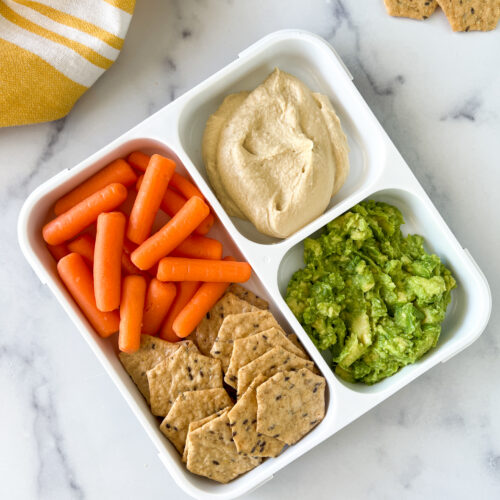
Best Better-for-You Crackers for Kids’ Snacks: Nutrition Tips
Having convenient snack options that kids enjoy and parents feel good about makes a big difference when you’re trying to keep your family to better-for-you choices. Crackers are a popular choice because they are easy to pack, fun to eat, and pair well with many of the foods kids already love. Choosing crackers made with whole grains, seeds, and other thoughtful ingredients can help make everyday snacks more satisfying.
Crunchmaster believes great snacks should deliver on both taste and quality, making it easier for families to enjoy a little extra crunch throughout the day. With a variety of certified gluten-free crackers and crisps made with ingredients such as brown rice, whole grains, seeds, and olive oil, Crunchmaster offers versatile options for lunchboxes, after-school snacks, and family gatherings.
Why Choosing the Right Crackers for Kids Matters
Research shows that snacks account for about 27% of children’s daily energy intake, with 93% of children and adolescents having at least one snack every day. [1] [2] That means snack time is an important opportunity to include foods that provide useful nutrients between meals. With the right combinations, snacks can help children get more fiber, protein, vitamins, and minerals throughout the day.
A nutrient-dense snack provides useful amounts of nutrients such as fiber, protein, vitamins, and minerals compared with its calorie content. [3] These foods can help children meet their daily nutrition needs between meals while adding variety to their diets. Pairing different food groups can also make a snack more filling and satisfying, such as Crunchmaster crackers paired with the protein of a fun snack board with meats, cheeses, and hummus.
Key Nutrients to Look for in Kids’ Crackers
When choosing crackers for kids, fiber is one of the first nutrients parents should consider, as it helps support the digestive system, and children often do not get enough of it in their daily diets. [4] [5] A practical target is about 2-3 grams of fiber per serving. [6] [7] Look for options made with whole grains, which contain all three parts of the grain kernel and provide fiber, B vitamins, and essential minerals that may be reduced when grains are refined. [8]
Sodium is another important nutrient to look for, particularly when packing crackers in a school lunchbox. Reviewing the amount of sodium per serving can help parents manage overall sodium intake, especially when crackers are paired with salty lunchbox favorites like cheese, deli meats, or pretzels. Checking serving sizes and comparing nutrition labels can make it easier to find a balanced option.
It’s also worth checking the ingredient list for crackers with low added sugar, as the American Heart Association recommends children should consume no more than 6 teaspoons of sugar (or 25 grams) per day. [9] Crunchmaster crackers offer a flavorful, crunchy option for families looking to incorporate more better-for-you ingredients into snack time, including whole grains, seeds, brown rice, and olive oil, each with 2 grams of total sugar or less per serving, and most with zero added sugar.
How to Read Nutrition Labels for Better-for-You Crackers
Reading nutrition labels does not have to take a lot of time, and a few simple checks can make shopping much easier. The ingredient list and Nutrition Facts panel provide useful details about what is inside a package, including the types of grains, amount of fiber, sodium, and added sugar. When it comes to reading nutrition labels on crackers, these five steps can help parents compare options with confidence.
- Check the first ingredient. Ingredients are listed by weight, so the first ingredient makes up the largest share of the product. Look for whole grains, seeds, or legumes near the beginning of the list, rather than a refined grain as the main ingredient.
- Scan for added sugars. Sugar can appear under several names, including cane sugar, syrups, honey, and dextrose. Even savory crackers can contain added sugar, so check both the ingredient list and the added sugars line on the Nutrition Facts panel.
- Compare serving sizes. A serving size is not always the amount a child will eat in one sitting. Check the serving information and compare it with the portion you plan to pack or serve.
- Look at fiber and protein. About 2-3 grams of fiber and some protein per serving can be useful comparison points when choosing everyday snack crackers. You can also add protein through toppings and dips.
- Check sodium. Compare the sodium amounts across similar products, keeping in mind what else your child will be eating that day. Lower-sodium options can be especially helpful when crackers are paired with other salty foods.
Crunchmaster Crackers for Kids’ Snack Time
Finding crackers that fit into a family’s snack routine is easier when you have plenty of flavors and formats to choose from. Crunchmaster offers a variety of gluten-free crackers and crisps made with ingredients such as brown rice, whole grains, seeds, chickpeas, and olive oil. These products can serve as a crunchy base for snacks that include protein, fruit, and vegetables.
For kids who enjoy smaller, bite-sized snacks, Crunchmaster Multi-Pack Crisps are a convenient option for lunchboxes and busy afternoons. Each individual bag provides 2 grams of protein, 1 gram of fiber, 105 milligrams of sodium, and 0 grams of added sugar per serving. [10] Families looking for more variety can also explore Crunchmaster Variety Pack Crisps, which offers two different flavors in individually packed portions, making it easy to add a little variety to snack time.
For a classic cracker option, Crunchmaster Multi-Grain Sea Salt offers a light, crunchy texture made with brown rice flour, whole-grain yellow cornmeal, sesame seeds, flax seeds, and olive oil. Each serving contains 2 grams of fiber, 2 grams of protein, 150 milligrams of sodium, and 1 gram of added sugar. [11]
All Crunchmaster products are certified gluten-free, and most, but not all, are Non-GMO Project Verified. [12] As with any snack, parents should check the individual package for the specific variety and nutritional facts and certifications. For more school-day inspiration, visit Crunchmaster’s Better-for-You Lunchbox Snacks guide.
Tips for Pairing Crackers with Nutritious Foods
Crackers can be a great starting point for a snack, but adding other food groups can make the combination even more satisfying. Pairing carbohydrates with protein or fat can help children feel fuller between meals, while adding fruits and vegetables brings more color, flavor, and nutrients to the plate. [13] This simple approach makes it easy to turn a handful of crackers into a more balanced snack.
Here are a few easy cracker pairing ideas for kids that parents can prepare at home or pack for school:
- Crackers and cheddar cubes: Add grapes or apple slices for a sweet and savory combination.
- Crackers and hummus: Include cucumber slices or baby carrots for extra crunch.
- Crackers and nut or seed butter: Spread a little peanut, almond, or sunflower seed butter on crackers and serve with apple slices.
- Crackers and mashed avocado: Add a sprinkle of seasoning for a creamy, savory topping.
- Crackers and tuna: Serve with a little tuna salad for protein and omega-3 fats.
- Crackers and cream cheese: Pair with bell pepper strips for a colorful snack.
Eggs, cheese, hummus, tuna, and nut or seed butter are all useful additions when building a more satisfying snack. For picky eaters, try offering one familiar cracker alongside a new topping and let children help put the snack together, which can make trying something different feel more fun. Visit Crunchmaster’s Recipe pages for additional ways to prepare and enjoy crackers with dips, toppings, and other tasty ingredients.
Portion Control and Snack Packing Ideas
Crackers are easy to enjoy, which also makes it easy to eat more than one serving without noticing. Checking the serving size on the package can help parents understand how much they are packing and how the crackers fit into the rest of a snack or lunch. As children’s appetites vary with age, activity, and individual needs, portions should be flexible to meet their individual needs instead of one-size-fits-all.
A simple way to build a satisfying snack is to start with a portion of crackers, add a protein source, and finish with a fruit or vegetable. For example, try a few crackers with a cheese stick or a small serving of hummus, then add grapes, apple slices, or carrot sticks. Small reusable containers and bento-style lunchboxes can keep dips and toppings separate, helping crackers stay crunchy until snack time.
Getting children involved in choosing their cracker and topping combinations can make lunch packing more enjoyable for everyone. Crunchmaster’s individually packed options, including Multi-Pack Crisps, Variety Pack Crisps, and a wide range of deliciously flavored crackers, offer convenient formats for families on the go and who are looking for easy-to-grab options. Involve children in picking from fun combinations with these examples of kid-friendly, better-for-you pairings or mix-and-match with your kids’ favorites:
- Crunchmaster Multi-Seed Original Crackers or Crisps with cheese cubes and grapes.
- Crunchmaster Chickpea Lemon Pepper Parmesan Crisps with hummus and carrot sticks.
- Crunchmaster Multi-Grain Sea Salt Crackers with seed butter and sliced strawberries.
Conclusion: Snack Time You and Your Kids Enjoy
Finding better-for-you crackers for kids does not have to mean giving up flavor, fun, or convenience. By looking for whole grains, seeds, fiber, and reasonable amounts of sodium and added sugar, parents can make more informed choices when shopping for everyday snacks. Pairing crackers with foods such as cheese, hummus, fruit, vegetables, and nut or seed butter can also turn a simple snack into a more satisfying combination.
Crunchmaster makes it easy to bring more variety and crunch to family snack routines with its selection of crackers and crisps made with better-for-you ingredients. From the convenient Multi-Pack and Variety Pack Crisps to the wide variety of crunchy and delicious Crunchmaster crackers, there are plenty of options for you and your family to explore for your next snack time.
Frequently Asked Questions
Look for crackers made with whole grains or seeds, or legumes, along with useful amounts of fiber and some protein. About 2–3 grams of fiber per serving, moderate sodium, and little or no added sugar can be helpful comparison points when shopping. Pairing crackers with fruit, vegetables, cheese, or hummus can also add more variety to snack time.
Whole-wheat crackers can be a good choice because they contain whole grains, which include the bran, germ, and endosperm. [8] However, whole-wheat crackers can still vary in sodium, fiber, and added sugar. Compare the ingredient list and Nutrition Facts panel to see how different options measure up.
About 2-3 grams of fiber per serving can be a useful starting point when comparing snack crackers. However, children’s fiber needs vary by age and overall diet, so crackers do not need to provide all the fiber a child needs each day. Fruits, vegetables, beans, and whole grains are also helpful sources. [6] [7] [13]
Compare the sodium per serving across similar crackers on the Nutrition Facts panel. Children have different daily salt needs depending on their age, and sodium can add up across several packaged foods. [14] If crackers are served with cheese, deli meat, or other salty foods, consider the total amount in the snack or meal.
It is worth checking, because some savory crackers contain added sugars or sweeteners such as cane sugar, syrups, and dextrose. The FDA Nutrition Facts panel lists added sugars separately from total sugars, making them easier to compare. [15] Choosing products with little or no added sugar can help families keep track of added sugar throughout the day.
Not necessarily, because gluten-free products can vary in their ingredients and nutrition information. Some may contain useful amounts of fiber and protein, while others may be lower in these nutrients or higher in sodium. Read the ingredient list and Nutrition Facts panel just as you would with any other cracker.
Pair crackers with a protein source such as cheese, hummus, nut or seed butter, tuna, or a hard-boiled egg. Then add fruit or vegetables for more variety, fiber, vitamins, and minerals. These combinations can make snack time more satisfying than serving crackers on their own.
Start by checking the serving size listed on the package and use it as a guide when packing snacks. Place the crackers in a small reusable container or lunchbox compartment, then add a protein source and a fruit or vegetable. Remember to adjust portions based on your child’s age, appetite, and activity level.
Try serving a familiar cracker with one new topping, dip, or flavor instead of introducing several unfamiliar foods at once. Let your child help choose the combination or assemble the snack themselves. Involving children in food preparation can make snack time more enjoyable and encourage them to explore new flavors.
References
[1] Harvard T.H. Chan School of Public Health. The Science of Snacking. https://nutritionsource.hsph.harvard.edu/snacking/
[2] U.S. Department of Agriculture. Snack Consumption by U.S. Children and Adolescents. https://www.ars.usda.gov/ARSUserFiles/80400530/pdf/DBrief/52_Snacks_Consumption_by_Children_1720.pdf
[3] Marcus, J. B., 2014. Nutrition basics: what is inside food, how it functions and healthy guidelines. Culinary Nutrition. https://www.sciencedirect.com/science/chapter/monograph/abs/pii/B9780123918826000017
[4] Mayo Clinic. Dietary Fiber: Essential for a Healthy Diet. https://www.mayoclinic.org/healthy-lifestyle/nutrition-and-healthy-eating/in-depth/fiber/art-20043983
[5] Hojsak, I., et al., 2022. Benefits of dietary fibre for children in health and disease. Archives of Disease in Childhood. https://pmc.ncbi.nlm.nih.gov/articles/PMC9606532/
[6] American Academy of Pediatrics. Fiber for Kids: Daily Needs, Benefits, & Best Foods. https://www.healthychildren.org/English/healthy-living/nutrition/Pages/Kids-Need-Fiber-Heres-Why-and-How.aspx
[7] Das, R., Thatal, B., & Tamang, B., 2026. Dietary fiber in pediatric gastrointestinal health: a narrative review of evidence and challenges. Clinical and Experimental Pediatrics. https://pmc.ncbi.nlm.nih.gov/articles/PMC13244058/
[8] Harvard T.H. Chan School of Public Health. Whole Grains. https://nutritionsource.hsph.harvard.edu/what-should-you-eat/whole-grains/
[9] Harvard T.H. Chan School of Public Health. Healthy kids ‘sweet enough’ without added sugars. https://nutritionsource.hsph.harvard.edu/2016/08/23/aha-added-sugar-limits-children/
[10] Crunchmaster. Multi-Pack Crisps. https://crunchmaster.com/product/multi-pack-crisps/
[11] Crunchmaster. Multi-Grain Sea Salt. https://crunchmaster.com/product/sea-salt/
[12] Crunchmaster. High Quality Crunch. https://crunchmaster.com/our-story/crunch-quality/
[13] Harvard T.H. Chan School of Public Health. Kids Healthy Eating Plate. https://nutritionsource.hsph.harvard.edu/kids-healthy-eating-plate/
[14] Gowrishankar, M, Blair, B., & Rieder, M.J., 2020. Dietary intake of sodium by children: Why it matters. Paediatrics & Children’s Health. https://pmc.ncbi.nlm.nih.gov/articles/PMC7002818/
[15] U.S. Food and Drug Administration. Added Sugars on the Nutrition Facts Label. https://www.fda.gov/food/nutrition-facts-label/added-sugars-nutrition-facts-label