Non-GMO, Whole Grain, Crunchy, Delicious
Today’s snack shoppers are looking for more than just convenience. Many consumers want snacks made with recognizable ingredients, whole grains, and trusted certifications that help simplify grocery shopping decisions. Non-GMO and whole grain foods continue to grow in popularity as families search for snacks that combine satisfying crunch with ingredient transparency.
Crunchmaster combines whole grains, seeds, and bold crunch in versatile snack formats. Products, including a variety of Crunchmaster Multi-Seed and Multi-Grain crackers and crisps feature Non-GMO Project Verified ingredients and whole grain blends designed for everyday snacking.
What Non-GMO Means for Whole Grain Snacks
A non-GMO food is made without genetically modified organisms, which are ingredients whose DNA has been altered in ways that do not occur naturally. [1] For snacks, non-GMO verification signals ingredient-level review and testing to help confirm no bioengineered material is intentionally used, giving shoppers a recognizable trust marker. [2] Snack-lovers increasingly look for labels like non-GMO, whole grain, and organic when choosing snacks.
All Crunchmaster products are made with Non-GMO Project Verified ingredients. The recognizable butterfly logo of the Non-GMO Project Verified label helps shoppers quickly identify products that meet third-party non-GMO standards. Crunchmaster also emphasizes straightforward ingredient lists built around grains, seeds, and flavorful seasonings rather than overly complicated formulas.
The Importance of Whole Grains in Snacking
A whole grain contains all three original parts of the grain kernel: the bran, germ, and endosperm. Unlike refined grains, which remove parts of the kernel during processing, whole grains retain more naturally occurring fiber, vitamins, and minerals. [3] The Dietary Guidelines for Americans, 2025-2030, recommends that most adults aim for 2-4 servings per day. [4]
Whole grains often provide:
- More fiber
- Greater satiety
- Naturally occurring nutrients like magnesium and B vitamins
- More texture and nutty flavor
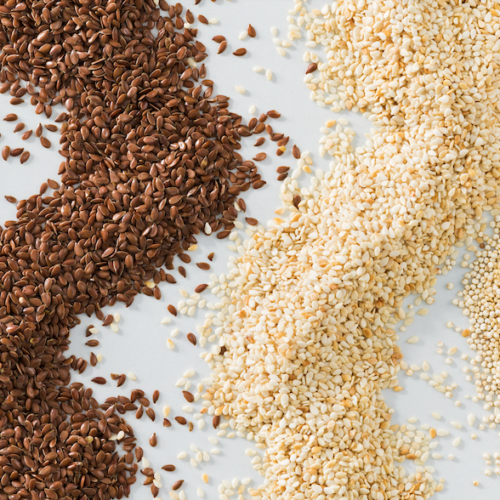
Crunchmaster crackers use ingredients such as brown rice flour, quinoa, flax seeds, sesame seeds, and amaranth to create a hearty crunch and whole grain texture. Products like Crunchmaster Multi-Seed Roasted Garlic and Crunchmaster Avocado Toast Salt & Pepper combine bold flavors with whole grain ingredients in snack-friendly formats.
How Crunchmaster Supports Whole Grain Quality and Transparency
People want transparency about what’s inside their snacks. That’s why it’s nice to see a list of ingredients that you can recognize.
Crunchmaster products highlight grains and seeds clearly on packaging, including brown rice flour, flax, quinoa, sesame, and amaranth. The focus is on straightforward labeling and quality ingredients to help simplify snack shopping.
For example, Crunchmaster Multi-Seed Original Crackers list its nine ingredients directly on the ingredient panel, including brown rice flour, sesame seeds, flax seeds, olive oil, and quinoa. This type of transparency can help consumers feel more confident about the foods they choose for themselves and their families.
Creating the Perfect Crunch: Texture and Taste in Whole Grain Snacks
Crunch is a favorite factor in choosing that perfect snack. Crunchmaster products are known for layered crunch created by grain and seed blends. Ingredients like sesame, quinoa, flax, and amaranth create a savory taste and satisfying texture that come together in a hearty, crunchy snack..
Texture also helps make whole grain snacks feel more enjoyable and versatile. Products like Crunchmaster Multi-Seed Rosemary & Olive Oil Crackers and Crunchmaster Ultimate Everything Crackers deliver bold flavor combinations alongside crisp texture. These crackers taste great as standalone snacks, or as dip carriers, lunchbox additions, and on a charcuterie board.
Common Ingredients to Avoid in Non-GMO Whole Grain Snacks
Reading ingredient lists carefully can help shoppers compare Non-GMO whole grain snack options in the grocery store more confidently. Choosing snacks with recognizable ingredients and moderate added sugar levels may help support more balanced everyday snacking habits.
Some ingredients clean-eating consumers commonly try to limit include:
- High-fructose corn syrup
- Artificial colors and artificial flavors
- Partially hydrogenated oils
- Excess added sugars
- Vague ingredient descriptions
Crunchmaster crackers and crisps are made without high-fructose corn syrup, are low in added sugar and focus on whole grains, seeds, and straightforward ingredients. This ingredient-forward approach is popular with snack-lovers who want to eat cleaner and make simpler snack choices.
Addressing Consumer Trust: Certifications and Labeling Explained
Food labels can sometimes feel confusing, especially when there are multiple certifications and labels on one package. Understanding common labels can make shopping easier:
- Non-GMO Project Verified: Indicates third-party review for GMO avoidance standards [2]
- Gluten-Free Certification: Confirms products meet gluten testing standards [5]
- Whole Grain labeling: Helps identify products made with meaningful whole grain ingredients [6]
- Kosher certification: Indicates compliance with kosher food standards [7]
Crunchmaster crackers and crisps feature several of these certifications across many of their products, including Non-GMO Project Verified and Certified Gluten Free labeling. These certifications help communicate clear standards while giving shoppers additional confidence in ingredient sourcing and production practices.
Tips for Enjoying and Storing Whole Grain Crunchy Snacks
Crunchmaster crackers work well in a variety of snack situations. Families can top them with hummus, avocado, cheese, or vegetables for balanced snacks. They also make flavorful additions to charcuterie boards, lunchboxes, soups, and salads.
For entertaining, Crunchmaster Rosemary & Olive Oil Crackers pair especially well with cheeses, olives, and roasted vegetables, while Crunchmaster Multi-Seed Original Crisps offer a portable, mess-free option for travel and lunchboxes.
Once you’ve opened your Crunchmaster products, proper storage helps keep your whole grain snacks stay crisp and flavorful. Whole grain flours and seeds can absorb moisture, so keeping crackers sealed tightly matters for maintaining crunch.
Helpful storage tips include:
- Reseal bags tightly after opening such as with a chip clip.
- Store crackers in airtight containers or zipper bags.
- Keep snacks in cool, dry places away from humidity.
- Avoid refrigeration.
- Enjoy within 7–10 days of opening for peak texture.
Big Crunch, Simple Ingredients, Everyday Snacking
Whole grain and non-GMO snacks continue to grow because consumers want foods that combine crunch, convenience, and recognizable ingredients. Shoppers are increasingly looking for snacks that feel satisfying without sacrificing transparency or flavor.
Crunchmaster products deliver on those expectations with whole grains, seed blends, bold crunch, and trusted certifications. Whether paired with dips, packed into lunchboxes, or served on snack boards, Crunchmaster crackers and crisps provide approachable, versatile options for everyday snacking. From flavorful varieties like Crunchmaster Multi-Grain Pimento Cheese to classic options like Crunchmaster Multi-Seed Original Crackers, Crunchmaster makes it easier to enjoy snacks that balance taste, crunch, and ingredient transparency in every bite.
Frequently Asked Questions
Crunch helps create a more satisfying snack experience. Texture and toasted flavor can make whole grain snacks feel enjoyable and satisfying while still fitting balanced eating goals.
Store crackers in airtight containers in cool, dry places and avoid moisture exposure. Proper sealing helps maintain crunch and texture.
References
[1] World Health Organization. Food, Genetically Modified.
https://www.who.int/news-room/questions-and-answers/item/food-genetically-modified
[2] The Non-GMO Project. Non-GMO Project Standard.
https://www.nongmoproject.org/wp-content/uploads/Non-GMO-Project-Standard-Version-16.1.pdf
[3] Mayo Clinic. Whole Grains: Hearty Options for a Healthy Heart.
https://www.mayoclinic.org/healthy-lifestyle/nutrition-and-healthy-eating/in-depth/whole-grains/art-20047826
[4] U.S. Department of Agriculture. Dietary Guidelines for American, 2025-2030.
https://cdn.realfood.gov/DGA.pdf
[5] National Celiac Association. Gluten-Free Certification.
https://nationalceliac.org/celiac-disease-questions/gluten-free-certified/
[6] Michigan State University Extension: Nutrition. Label Language: Understanding Whole Grains.
https://www.canr.msu.edu/news/label-language-understanding-whole-grains
[7] Kosher Alliance. What is Kosher Certification?
https://www.kosheralliance.org/news/certification/what-is-kosher-certification/